
So, you’re a provider and want to offer your services to clients who have health insurance, right? Here’s the thing… before you can do that, you need something called provider credentialing.
Now, you’ve probably asked yourself questions like:
- “How do I get my services covered by insurance?”
- “What documents do I need to prove my credentials?”
- “Is there a simpler way to get credentialed without endless paperwork?”
If these questions sound familiar, you’re not alone.
Provider credentialing might sound complicated, but it’s actually the key to growing your practice, getting more clients, and offering them cashless insurance benefits.
In this blog, we will break down the step-by-step process of provider credentialing, including all the necessary documents and how platforms like Mantra Comply can streamline this process for you, making it smooth, fast, and hassle-free.
So, let’s get started!
What is Provider Credentialing?
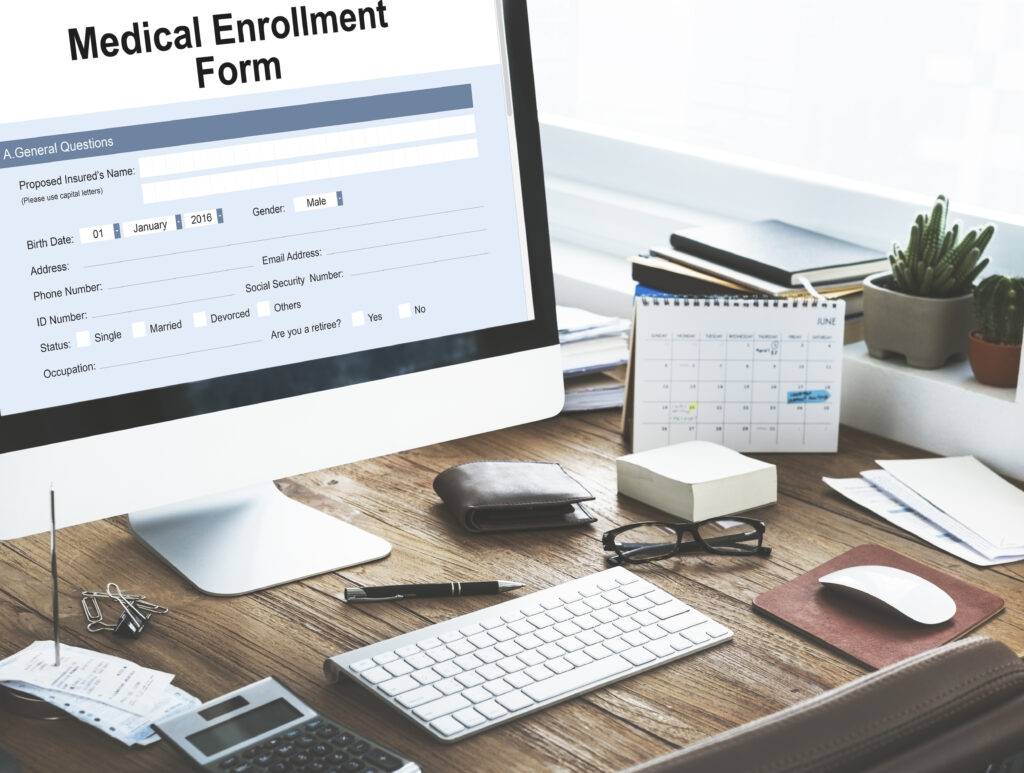
Provider credentialing is basically the process that proves your qualifications, experience, and professional background to insurance companies. Think of it like getting an official stamp of approval — without it, you simply can’t provide services to clients using their insurance, and that means missing out on opportunities to grow your practice.
Here’s an example to make it clearer:
Imagine a client comes to you for mental health therapy and says, “Hey, I have Blue Cross Blue Shield (BCBS) insurance — can I get cashless services?”
Now, if you aren’t credentialed with BCBS, there’s no way you can accept their insurance.
You’d have to ask them to pay out of pocket, and let’s be honest — that could mean losing the client or leaving money on the table.
Here’s what credentialing usually involves:
- Checking your licenses and certifications to make sure everything is valid
- Verifying your education and training
- Looking at your work experience and professional references
- Reviewing any malpractice history
Once all of this is done, the insurance company adds you to their approved provider panel, which means clients can use their insurance for your services — often cashless, which everyone loves.
So, in simple words: getting credentialed is what opens the door to insurance-covered clients and helps you grow your practice, safely and professionally.
Why is Provider Credentialing Important?

You might be wondering, “Why should I go through all this hassle of credentialing?” Well, here’s why it really matters for your practice:
1. Access to insurance panels → more clients
Being credentialed means insurance companies recognize you as an approved provider. This opens the door to clients who rely on their insurance to pay for services. More clients, more opportunities — simple as that.
2. Ability to offer cashless services
Clients love convenience, right?
Credentialing lets you provide CASHLESS SERVICES, where the insurance company pays you directly. No more chasing payments or asking clients to pay out of pocket first. Imagine a client coming to you for therapy with Cigna or UnitedHealthcare — if you’re credentialed, you can accept their insurance without any hassle.
3. Enhances professional credibility
Think of credentialing as a professional badge of trust. It shows your clients and insurance companies that you’re qualified, verified, and reliable. This can set you apart from other providers and make clients feel confident choosing you.
4. Compliance with federal/state regulations
Healthcare is regulated, and insurance companies have strict rules. Being credentialed ensures you’re compliant with federal and state laws, protecting you from legal risks and making your practice more professional.
In short: Credentialing isn’t just paperwork — it’s a gateway to growth, credibility, and smooth operations for your practice.
Provider Credentialing Process

Getting credentialed may seem like a long and time-consuming process at first, but don’t worry… let’s break it down into simple steps so you can get it done smoothly.
Step 1: Identify the insurance companies you want to work with
Start by listing the insurance panels your clients use.
For example, if most of your clients have Anthem, Cigna, or UnitedHealthcare, that’s where you need to focus first.
Step 2: Gather all required documents
Credentialing requires proof of your qualifications and compliance. Common documents include:
- Professional license (state-issued)
- DEA certificate (if applicable)
- CV or resume detailing experience
- Malpractice insurance proof
- Board certifications
- Any continuing education certificates
Having all these ready upfront speeds up the process and reduces back-and-forth with insurance companies.
Step 3: Fill out the credentialing application
Each insurance company has its own online application or paper form. Be thorough — double-check your info, and don’t leave any blanks. Even small mistakes can delay approval.
Step 4: Submit your application and documents
Once everything is filled, submit your application along with your documents. Some companies may request verifications from previous employers or references, so be prepared.
Step 5: Follow up and track progress
Credentialing can take anywhere from 30–90 days, depending on the insurer. Keep a record of submission dates and any communication, so you can follow up if needed.
Step 6: Receive approval and join the insurance panel (Enorolled)
After approval, you’re officially on the insurance panel! Now you can accept clients using that insurance and even offer cashless services, making life easier for both you and your clients.
Feeling a bit overwhelmed?
Collecting documents, filling out multiple applications, and tracking approvals can be a lot. Well, don’t worry! There’s a platform that makes this really simple, helping you get credentialed quickly and without all the stress.
List of Documents Needed for Provider Credentialing
When you’re preparing for provider credentialing, having all your documents in order is crucial. The more organized you are, the faster the process will go. Here’s a checklist of the most commonly required documents to get started:
Professional License
- A copy of your state-issued license (e.g., PT, LCSW, MD, etc.).
- Make sure it’s active and valid in the state where you’re practicing.
Degree & Education Proof
- Transcripts or degree certificates from your accredited educational institution.
- This confirms your qualifications and academic background.
CV / Resume
- An updated curriculum vitae (CV) or resume that includes your work experience, certifications, and skills.
- This helps to showcase your career progression.
Malpractice Insurance Certificate
- A copy of your professional liability insurance (malpractice insurance).
- This shows that you’re covered in case of any legal claims related to your practice.
Board Certifications (if applicable)
- Any relevant board certifications you have, such as for CBT (Cognitive Behavioral Therapy) or specialty fields.
- This may also include certifications for continuing education.
National Provider Identifier (NPI)
- Your NPI number is essential. It’s a unique ID that’s required for billing purposes.
- You can get it from the NPPES (National Plan & Provider Enumeration System).
DEA Certificate (if applicable)
- If you prescribe controlled substances, you’ll need your DEA certificate.
- This certifies you to prescribe medications that require special monitoring.
Tax Identification Number (TIN) / Employer Identification Number (EIN)
- If you’re billing as an individual, you’ll need your TIN.
- If you’re part of a group practice or business, an EIN will be required.
Background Check Authorization
- Most insurers will request permission to conduct a background check.
- This helps confirm that you’re in good standing and free of legal issues.
Government-Issued ID
- A valid government-issued ID (e.g., driver’s license or passport).
- This is to verify your identity.
Tip: Keep digital copies of all your documents organized. This will save you time when submitting them to the credentialing platform or insurance companies.
Once you have all these documents ready, you’re one step closer to getting credentialed and expanding your practice. If you need help with managing these documents or submitting them to the right places, there are platforms out there that can make the whole process fast and hassle-free.
How MantraComply Can Help?
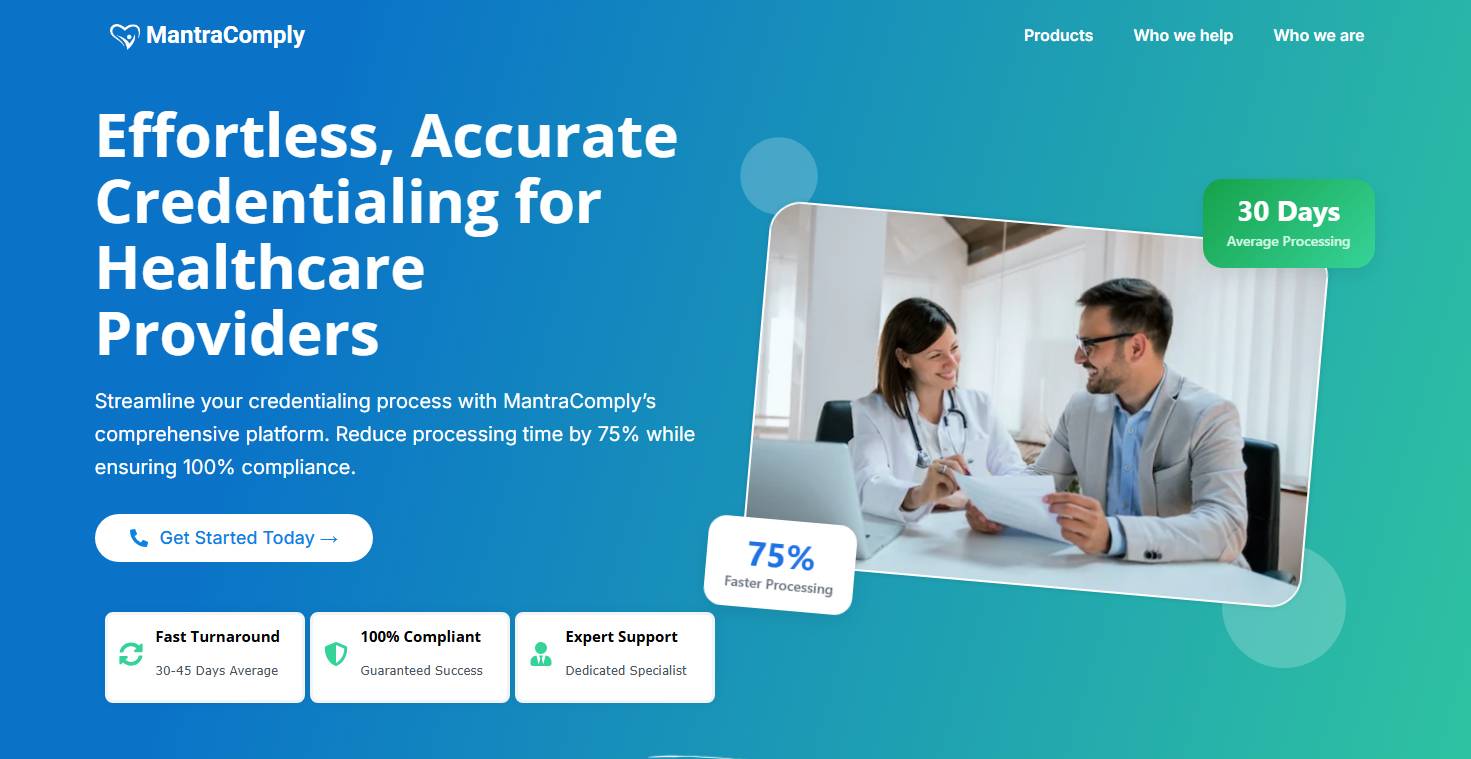
Credentialing doesn’t have to be complicated. Here’s how the platform makes it simple and fast for healthcare providers:
1. Fast Turnaround Time – 30–45 Days on Average
With an average 30–45 days processing time, you can start accepting insurance-covered clients sooner than you think. No more waiting months to get credentialed — just a quick, efficient process.
2. 100% Compliance Guarantee
Focus on patient care while the platform ensures you’re fully compliant with federal and state regulations. This guarantees that your practice meets all the necessary requirements without any legal hassle.
3. Dedicated Specialist Assigned
You’ll have a credentialing expert by your side to guide you through the entire process. From document submission to approvals, you get personalized assistance every step of the way.
4. 98% Success Rate
With a 98% success rate, the chances of your application being accepted are incredibly high, ensuring you get on the insurance panels with minimal delays.
5. No Upfront Fees
There are no upfront costs. You pay only once the credentialing is complete and your practice is ready to accept insurance — making it risk-free for you.
Ready to get started? With this smooth, efficient process, you can focus more on your practice and start serving more clients through insurance-covered services!
Ready to Get Credentialed? Let’s Do It the Easy Way!
The credentialing process doesn’t have to be a headache! So, if you want to get it done quickly, without waiting for weeks, and with 100% accuracy, there’s a way to speed things up!
Don’t waste time on paperwork or follow-ups. Let us handle the process for you! Click the button below to get started.