
Running a private practice is fulfilling—but dealing with insurance credentialing? Not so much.
Getting credentialed with insurance panels is a crucial step for any provider who wants to serve insured clients and grow their practice—but the process can feel overwhelming.
That’s where credentialing services for private practices come in.
In this blog, we’ll walk you through:
- What credentialing really means for private practice providers
- Why it’s essential for your business
- A simple step-by-step breakdown of the process
- And how expert credentialing services (like MantraComply) can get you insurance-ready faster and stress-free
What Is Credentialing for Private Practices (and Why It Matters)?

When you run a private practice, credentialing is the bridge between offering quality care and getting paid for it. In simple terms, it’s the process of getting officially approved by insurance companies so you can provide services to clients who use their insurance benefits.
Think of it as your “stamp of trust” — insurance payers review your qualifications, licenses, education, malpractice coverage, and background before adding you to their provider network. Once approved, you become an in-network provider, which means clients can see you using their insurance instead of paying entirely out of pocket.
Why does this matter for private practices?
- It opens doors to more patients — most clients today prefer using their insurance.
- It builds credibility — being listed as an in-network provider signals professionalism and trust.
- It ensures a steady revenue flow, as insured sessions are more likely to be consistent and recurring.
For instance, imagine you’re a therapist in private practice. A potential client reaches out but asks, “Do you take Aetna?” If you’re not credentialed with Aetna, you might lose that client. But once credentialed, you can bill Aetna directly and serve that client seamlessly.
Why Getting Credentialed Is Essential for Private Practices

For private practice owners, credentialing is not just about compliance—it’s about building sustainability and trust. It directly impacts how many clients you can reach, how you get paid, and how your practice grows over time. Here’s why it’s essential:
Access to a Larger Client Base
The majority of clients prefer to use their insurance benefits when seeking healthcare services. Being credentialed allows your private practice to appear in insurance directories, giving insured clients the confidence to reach out to you directly.
Consistent and Reliable Payments
Credentialing connects your practice with payers who reimburse claims at pre-negotiated rates. This ensures a steady flow of income and eliminates the dependency on out-of-pocket payments, which can often be unpredictable.
Enhanced Professional Credibility
Becoming an in-network provider signals that your qualifications, background, and ethical standards have been verified by major insurers. This adds credibility to your practice and builds patient confidence.
Better Client Retention
Clients are more likely to stay with providers who accept their insurance. Credentialing helps build long-term relationships and ensures continuity of care—something that benefits both you and your clients.
Opportunities for Practice Expansion
Once you’re credentialed with one or more insurance networks, expanding your services or adding new providers becomes much easier. It lays the foundation for scalable growth and wider patient access.
In short, credentialing transforms your private practice from an independent setup into a recognized and trusted healthcare provider that can compete effectively in the insurance-driven market.
Step-by-Step Credentialing Process for Private Practice Providers
Getting credentialed with insurance panels for your private practice might sound complex, but it’s much easier when broken down into clear, actionable steps. Here’s how the process typically works:
Step 1: Obtain Your National Provider Identifier (NPI)
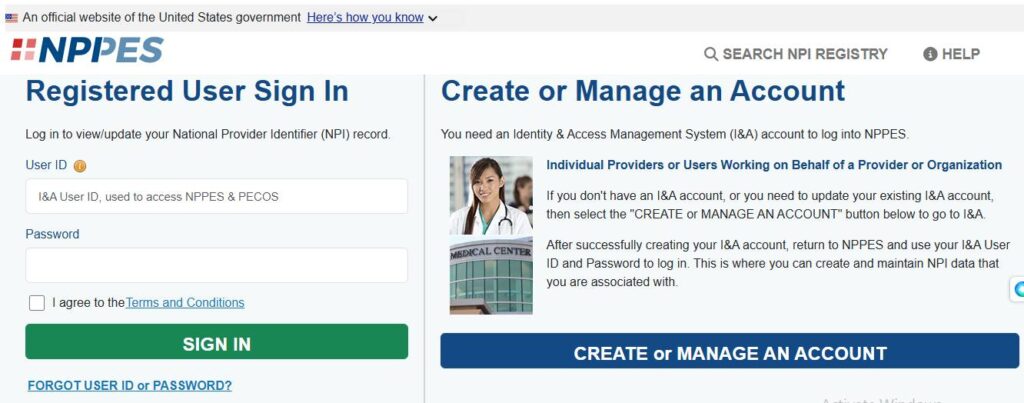
Every healthcare provider needs a National Provider Identifier (NPI) — a unique 10-digit identification number used for billing and credentialing purposes.
If you don’t already have one, you can register for an NPI by visiting the official NPPES website.
Your NPI will be required on nearly every insurance credentialing form you complete.
Step 2: Create or Update Your CAQH Profile
Most commercial insurance payers use CAQH ProView (Council for Affordable Quality Healthcare) to verify your credentials.
If you’re new to credentialing, create a CAQH profile and upload all relevant documents, including your licenses, malpractice insurance, education, and work history.
If you already have an account, make sure it’s complete and re-attested (every 120 days).

Step 3: Prepare Your Documents
Before applying to any payer, ensure all your information is up to date and organized. Typical documents include:
- Active state license(s)
- DEA certificate (if applicable)
- Malpractice insurance
- W-9 form
- Education and training certificates
- Resume or CV
- Proof of liability coverage
Having everything ready can save weeks of back-and-forth communication with payers.
Step 4: Apply to Insurance Panels
Visit the insurance payer’s provider portal (e.g., Aetna, Cigna, UnitedHealthcare) and submit your credentialing application. You’ll often need to enter your NPI and grant them access to your CAQH profile.
Some payers may also request additional forms or a Letter of Interest (LOI).
Step 5: Verification & Approval
The insurance company will verify your information, licenses, and credentials. This step may take 30–120 days, depending on the payer and the completeness of your submission.
Once approved, you’ll receive confirmation that your practice has been added to the in-network provider directory, allowing you to accept insured clients.
Step 6: Contracting & Billing Setup
After credentialing, you’ll move into contracting, where you sign agreements outlining reimbursement rates and policies. Once finalized, you can start submitting insurance claims for your services.
By following these steps — or partnering with a credentialing service that manages them for you — your private practice can get insurance-ready faster, with fewer delays and less paperwork.
Common Challenges Providers Face During Credentialing
For many private practice providers, the credentialing process feels long, repetitive, and confusing. Small mistakes can easily turn into big delays. Here are a few common hurdles:
- Incomplete Documents: Missing or outdated licenses, malpractice insurance, or W-9 forms often lead to rejections or weeks-long delays.
- Outdated CAQH Profile: Payers rely on CAQH data. If your profile isn’t updated or re-attested every 120 days, your application may be paused.
- Slow Verification Timelines: Even a complete file can take 60–120 days to process, depending on payer workload and verification checks.
- Different Payer Requirements: Every insurer has its own forms and compliance steps — managing several at once can get overwhelming.
- No Follow-Up: Many applications stall simply because providers don’t check status regularly or respond quickly to information requests.
- Missed Re-Credentialing Deadlines: Forgetting to renew credentials every 2–3 years can cause you to be temporarily removed from panels.
- Time Constraints: Managing forms and follow-ups while running a practice often leads to burnout and errors.
Even one of these issues can hold back your approval for months. That’s why many private practices now use automated credentialing services to manage the process efficiently — keeping everything accurate, updated, and on schedule.
How MantraComply Simplifies Credentialing
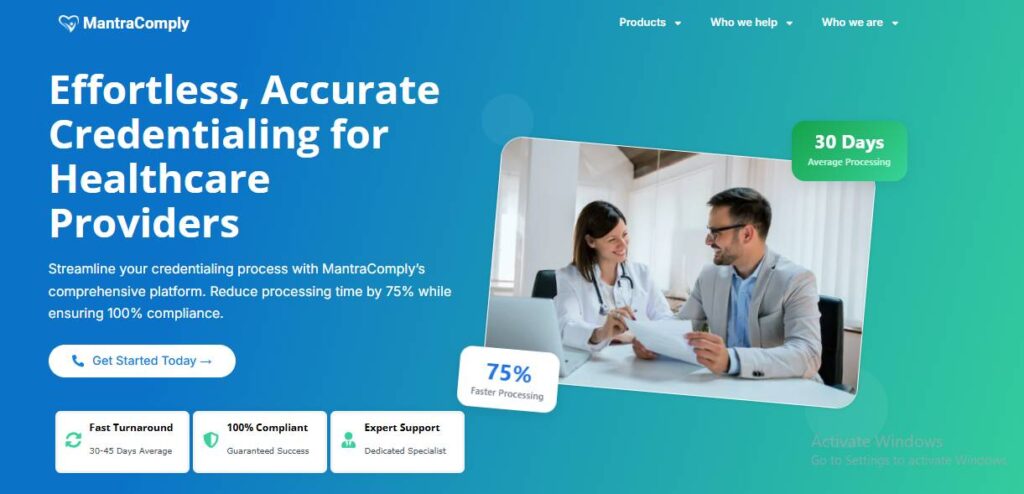
If managing forms, following up with payers, and updating your CAQH profile feels endless — you’re not alone. That’s exactly what MantraComply is built to fix.
Here’s how it simplifies the entire credentialing journey for private practices:
- Automated Process: AI-powered tools handle verification, re-attestation, and documentation updates — cutting down errors and delays.
- Central Dashboard: Track all your applications, renewals, and payer updates in one place with real-time visibility.
- Multi-Payer Management: Get credentialed with multiple insurance panels simultaneously — without juggling different portals.
- Expert Oversight: Credentialing specialists ensure every submission is compliant and follow up directly with insurers.
- Renewal Tracking: Automatic reminders for license and re-credentialing deadlines, so you never risk removal from panels.
In short, MantraComply takes care of the paperwork, tracking, and follow-ups, so you can focus entirely on your clients and practice growth.
Ready to Get Credentialed Without the Stress?
If you’re tired of juggling paperwork, following up with payers, or waiting months for approvals, it’s time to make credentialing simple.
With MantraComply, you get a faster, error-free, and fully managed process that helps you join insurance panels without losing focus on your clients.
Start accepting insured patients, grow your reach, and save valuable time.
Get your free consultation today — and let’s make your credentialing process effortless.