No recognition, no reimbursement. WPA provider registration in the United Kingdom is essential for specialists seeking to treat insured members and receive payment under the insurer’s arrangements. WPA (Western Provident Association) is a not-for-profit, member-owned health insurer established in 1901. It allows members to choose specialists licensed with the General Medical Council, but providers must complete the applicable recognition process before treatment to avoid reimbursement issues. This guide explains eligibility requirements, the WPA provider application process, documentation, billing and payments, changes to recognition status, and how MantraComply can support healthcare providers with credentialing and enrollment.
What Is WPA Provider Recognition?
Recognition is WPA’s formal confirmation that a specialist or treatment provider meets its professional standards before treatment becomes eligible for reimbursement. Recognition is neither automatic nor retrospective. Under WPA’s Terms of Recognition, specialists must hold a licence to practise, appear on the GMC Specialist Register, and have the relevant specialist certification, while treatment providers must be fully registered with the appropriate professional body.
Unlike insurers that rely on preferred provider networks, WPA prioritises patient choice. Members can consult any GMC-licensed specialist, provided that specialist completes WPA’s recognition process first. Recognition therefore acts as a professional verification step that ensures providers meet WPA’s standards before claims can be reimbursed.
Once recognised, providers become searchable through WPA’s healthcare provider directory, may be eligible for a profile on the WPA Health Finder powered by Doctify, and gain access to the My Space provider hub to manage registration details, invoices, and payments through a secure self-service portal.

Who Needs WPA Provider Recognition in the United Kingdom
Healthcare professionals who want to treat WPA members and receive reimbursement under the insurer’s arrangements must obtain WPA recognition before providing treatment. This primarily includes medical specialists and therapists who meet WPA’s eligibility criteria. Although WPA members can choose their preferred specialist, the provider must be recognised by WPA for its reimbursement arrangements to apply. Applications can be submitted through the official WPA Health Providers portal.
Eligibility Requirements
- Medical specialists: Must appear on the GMC Specialist Register, hold a current licence to practise, and have no restrictions or supervision requirements on their practice.
- Therapists: Must be registered with an accepted professional regulator, such as the HCPC, GCC, or GOC, or hold accreditation from an eligible professional body, such as BACP, BABCP, UKCP, or NCS. Additional criteria may apply to certain professions.
- Professional indemnity: Providers must maintain appropriate professional indemnity insurance and supply evidence when requested.
- Clinical and regulatory compliance: Applicants must follow the clinical standards and professional guidelines applicable to their specialty.
- Accurate professional details: Providers must supply correct registration, practice, and payment information and keep these details updated.
Meeting these criteria does not guarantee approval. WPA assesses applications against its specific eligibility requirements and retains the right to accept or reject an application.
Documents Required for WPA Provider Registration
Preparing the correct documentation is an important step in the WPA provider registration process in the United Kingdom. Medical specialists and therapists should ensure that their professional qualifications, regulatory registration, indemnity insurance, and practice details are accurate and up to date. Additional documents may be required depending on the provider’s specialty and WPA’s eligibility criteria. Organising the relevant paperwork in advance can help minimise administrative delays and support a smoother application process.
| Document Checklist | Why It Matters |
|---|---|
| Professional Qualifications and Certificates | Demonstrate that the applicant has the appropriate education, training, and qualifications for their specialty. |
| Professional Registration Details | Help WPA verify registration with the relevant regulator, such as the GMC or HCPC, where applicable. |
| GMC Specialist Register Details | Help establish specialist status for medical consultants where this is an applicable eligibility requirement. |
| Professional Indemnity Insurance Certificate | Provides evidence of appropriate professional liability cover for the applicant’s clinical activities. |
| Curriculum Vitae (CV) | Summarises clinical experience, employment history, specialist training, and professional expertise, where requested. |
| Practice and Contact Information | Helps WPA identify practice locations and maintain accurate contact details for provider administration. |
| Bank and Payment Details | Support payment setup and accurate reimbursement processing where payments are made directly to the provider. |
| Professional Body Membership or Accreditation | May be needed for therapists whose eligibility relies on membership or accreditation with an accepted professional body. |
| Additional Supporting Documents | May be requested to verify specialty-specific qualifications, professional standing, or other applicable recognition requirements. |
Step-by-Step Process to WPA Provider Recognition in the United Kingdom
WPA provider recognition allows eligible specialists and therapists to treat WPA members under the insurer’s recognition arrangements. Applicants must meet WPA’s eligibility criteria, submit the required information, and receive formal confirmation before their recognition becomes effective. WPA recommends Healthcode’s Private Practice Register (PPR) for new provider registration and updating provider details.
1. Confirm Your Eligibility
Before applying, check that you meet WPA’s requirements for your professional category. WPA recognises eligible medical specialists and therapists, but the criteria differ by profession.
- Medical specialists: Must be listed on the GMC Specialist Register, hold a current licence to practise, and have no restrictions or supervision requirements.
- Therapists: Must meet WPA’s registration or accreditation criteria through an accepted regulatory body or professional organisation.
Review WPA’s official Terms of Recognition to confirm the criteria relevant to your profession.
2. Register Through Healthcode’s Private Practice Register
WPA recommends Healthcode’s PPR as its preferred route for new provider registration and updating existing records. Create or access your PPR account and follow the registration instructions to submit your professional information. Although using the PPR is not mandatory, it allows you to manage practice details centrally for participating insurers.
3. Prepare Your Supporting Information
Gather the details and documents needed to demonstrate that you meet WPA’s eligibility requirements. Ensure that your professional information is accurate and consistent before submitting the application.
Depending on your profession, you may need to provide:
- Professional qualifications and registration details.
- GMC Specialist Register information, where applicable.
- Professional indemnity insurance details.
- Practice address and contact information.
- Bank details for payment.
- Any additional information requested by WPA.
4. Submit Your WPA Recognition Application
Complete the recognition application through WPA’s website or an accepted registration portal, such as Healthcode’s PPR. Review the application carefully before submission, as WPA relies on the information supplied to assess eligibility and administer claims.
Submitting an application does not guarantee acceptance. WPA may reject applications that do not meet its eligibility criteria.
5. Review and Accept the Terms of Recognition
Read the applicable Terms of Recognition carefully before proceeding. These explain your responsibilities regarding clinical standards, accurate invoicing, patient information, fee arrangements, and keeping professional details up to date.
Pay particular attention to WPA’s Fee Agreed Recognised Provider arrangements if you intend to agree not to charge above the insurer’s published fee schedule.
6. Receive Confirmation and Set Up Your Account
WPA recognition becomes effective when WPA confirms acceptance in writing or accepts the application through the PPR. Once your application is accepted, WPA will invite you to set up an account through My WPA.
Keep your confirmation for reference and check that your provider details are correct before beginning treatment under the recognition arrangements.
7. Set Up Billing and Payment Procedures
After recognition, familiarise yourself with WPA’s invoice requirements and accepted submission methods. Providers can upload invoices through the secure provider hub or submit electronic invoices through Healthcode.
Invoices should include the required patient, provider, treatment, authorisation, and payment details. Use the appropriate procedure codes where applicable and check WPA’s fee schedule before billing to help reduce queries and payment delays.
8. Maintain Your Recognition Details
Recognition requires ongoing compliance, not just a successful application. Notify WPA promptly of changes to your professional details, practice address, eligibility status, or bank information. Continue to follow applicable clinical standards and billing requirements, and keep your registration and indemnity insurance current.
Maintaining accurate records and following WPA’s terms can help support smooth claims processing and continued participation in its recognised provider network.
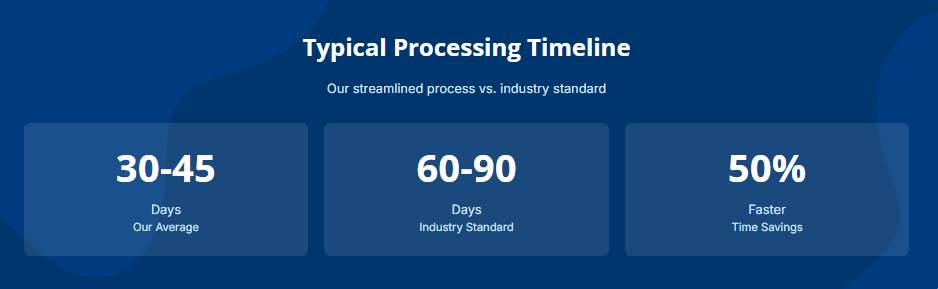
How Long Does WPA Provider Recognition Take?
WPA does not publish a fixed provider recognition timeline, as processing depends on application completeness, credential verification, and any additional information required. Complete documentation and accurate registration details can help reduce delays.
Applications submitted directly or through Healthcode’s Private Practice Register (PPR) are assessed against WPA’s recognition standards. Providers should wait for formal confirmation before treating WPA members, as recognition is not retrospective and reimbursement depends on approved status.
How WPA Consultant Fees Are Determined
Recognition and reimbursement are separate aspects of WPA’s provider relationship. Once recognised, specialists are reimbursed according to WPA’s published Fee Schedule, which applies fee maxima for consultations and procedures based on the relevant CCSD coding principles. Where clinically justified, higher reimbursement may be considered only if a complexity uplift has been agreed in advance.
Recognised providers also agree not to charge WPA members more than the applicable Fee Schedule for consultations or procedures that were booked or pre-authorised while the provider remained under WPA’s fee-agreed recognition terms. Providers should review WPA’s latest Fee Schedule regularly, as reimbursement guidance and billing requirements may be updated over time.
Understanding WPA’s Recognition Routes
WPA providers can apply directly or through Healthcode’s Private Practice Register (PPR), with both routes recognised under WPA’s Terms of Recognition. Direct applications may suit providers registering only with WPA, while the PPR can be more convenient for those managing registrations with multiple insurers. WPA assesses applications against its published recognition criteria, including GMC Specialist Register status and relevant college certification for specialists, or registration with the appropriate professional body for treatment providers.
Once approved, providers gain access to the My Space secure hub, where they can upload invoices free of charge, update registration details, track paid and outstanding payments, and use Provider Live Chat. These self-service tools help providers manage routine administrative tasks without relying solely on phone-based support.
CCSD Coding and Payment Process
WPA health providers must follow the insurer’s billing requirements, use appropriate procedure codes, and verify patient cover before treatment. The CCSD Group maintains the coding schedule used across private healthcare, while WPA applies its own fee limits and billing rules. Providers should consult the WPA Fee Schedule and ensure that:
- Accurate coding: Use the appropriate CCSD codes for consultations and procedures.
- Complete invoices: Include correct patient and provider details, treatment dates, applicable codes and itemised fees.
- Approved submission routes: Submit invoices through WPA’s secure provider portal or Healthcode.
- Fee compliance: Follow WPA’s payable fee limits and restrictions on combining certain procedures.
- Eligibility and authorisation: Confirm patient cover and any required authorisation before treatment.
Incorrect codes, missing information, or charges outside applicable limits may lead to claim queries or payment adjustments.
Termination and Ongoing Status
WPA recognition is not necessarily permanent. Under its Terms of Recognition, WPA may suspend or terminate a provider’s recognition by written notice at any time, without stating a reason. Providers may also end the arrangement by giving written notice in accordance with the applicable terms.
Following termination, eligible fees for treatment received before termination took effect may still be reimbursed, provided the invoices were correctly submitted and accepted beforehand. Treatment provided after termination falls outside this reimbursement commitment, so providers should confirm their recognition status before continuing to treat WPA members.
Where MantraComply Comes In
Completing WPA provider registration in the United Kingdom involves choosing the right application route, meeting WPA’s specific specialist or treatment provider definitions, and setting up billing correctly from day one.
MantraComply supports providers through each part of the WPA provider application process:
- Confirming GMC Specialist Register status and relevant college certification match WPA’s specialist definition before submission
- Verifying professional body registration for treatment providers applying outside the specialist route
- Choosing between WPA’s own application system and the Private Practice Register based on what’s most efficient for the applicant, particularly where multiple insurer registrations are being pursued at once
- Setting up My Space hub access and the correct invoicing method, whether that’s direct upload or Healthcode, so payment isn’t delayed by an avoidable billing error
The goal is to get every applicant through WPA provider registration in the United Kingdom correctly on the first attempt, without unnecessary back-and-forth slowing down recognition.
Conclusion
Successful WPA provider recognition in the United Kingdom requires more than submitting an application. Providers must meet WPA’s recognition standards, verify their professional credentials, and maintain compliance with the insurer’s requirements. Formal recognition is essential before treatment can qualify for reimbursement under WPA’s arrangements.
Choosing the correct application route, preparing complete documentation, and understanding billing and payment requirements can help minimise delays. By treating WPA provider recognition as an ongoing compliance responsibility, healthcare professionals can support smoother claims processing and maintain their participation in WPA’s provider network.
Frequently Asked Questions
Members are free to use any specialist licensed with the GMC, but that specialist needs to be recognised by WPA first. Specialists not currently recognised simply need to complete the WPA provider application process before treating a WPA member.
No. WPA requires providers to obtain formal recognition before treating members if they want treatment to be eligible for reimbursement. Recognition is not applied retrospectively, so providers should wait for confirmation before delivering reimbursable care.
WPA does not publish a formal appeals process for rejected applications. Providers may contact WPA or reapply after resolving the rejection reason. Recognition is not guaranteed to be backdated after approval.
Yes. WPA reserves the right to terminate or suspend a provider’s Recognised Provider status by written notice at any time, without needing to state a cause. On termination, WPA still reimburses fees for treatment already received and correctly invoiced beforehand.
No. WPA accepts applications either through its own online application system or through an alternative registration portal operated by a third party, such as the Private Practice Register run by Healthcode.
View Sources
- MantraComply. WPA Provider Registration in the United Kingdom. Accessed 10/12/2026.
- WPA. Healthcare Provider Information and Recognition. Accessed 10/12/2026.
- WPA. Provider Terms of Recognition and Eligibility Criteria. Accessed 10/12/2026.
- WPA. Medical Fee Schedule and CCSD Coding Guidance. Accessed 10/12/2026.
- WPA. Healthcare Provider FAQs: Registration, Invoicing, and Payments. Accessed 10/12/2026.
- Healthcode. Private Practice Register (PPR). Accessed 10/12/2026.
- CCSD Group. Clinical Coding and Schedule Development (CCSD). Accessed 10/12/2026.