Are you looking to complete Parallon provider credentialing for a physician or other practitioner associated with an HCA Healthcare facility? The process involves submitting professional information, supporting documents, verifications, and completing the applicable credentialing review.
Parallon is the administrative support platform for HCA Healthcare and provides clinical and administrative services, including physician credentialing.
This guide explains Parallon provider credentialing requirements, eligibility, required documents, the step-by-step credentialing and enrollment process, expected timelines, and how credentialing technology can simplify provider management.
Key takeaway: Parallon-supported credentialing and payer enrollment are related but separate processes. Medical staff credentialing establishes eligibility for hospital appointment and privileges, while payer enrollment addresses participation with applicable health plans and government programs.
What Is Parallon Provider Credentialing
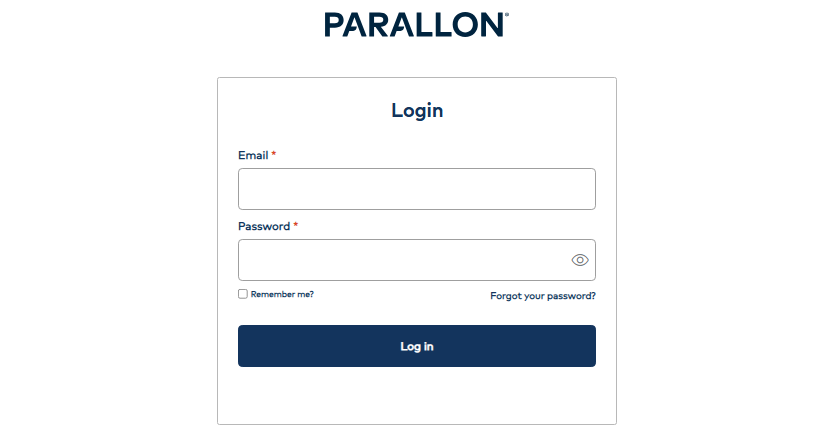
Parallon provider credentialing is the process of reviewing and verifying a practitioner’s professional qualifications for the applicable HCA Healthcare facility or entity.
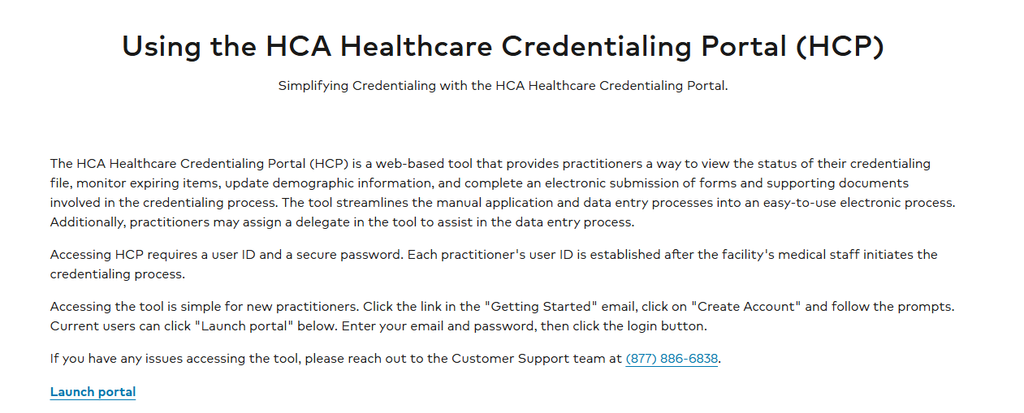
Parallon’s credentialing operations are supported through the HCA Credentialing Portal (HCP). HCA Healthcare describes HCP as a web-based tool that allows practitioners to view credentialing status, monitor expiring items, update demographic information, and electronically submit forms and supporting documents.
The process can involve reviewing licenses, education and training, work history, affiliations, references, insurance information, certifications, and other qualifications required for the provider’s credentialing file.
For organizations managing multiple providers, a centralized healthcare credentialing and enrollment platform can also help organize provider data, documents, applications, and ongoing requirements.
Parallon Provider Credentialing vs. Parallon Provider Enrollment
Although credentialing and enrollment work together, they serve different purposes in the provider onboarding process. Understanding the distinction helps organizations complete both requirements without unnecessary delays.
| Credentialing | Enrollment |
|---|---|
| Verifies professional qualifications and credentials. | Establishes the provider with applicable payers or programs. |
| Focuses on licenses, education, training, and certifications. | Focuses on payer, billing, and reimbursement requirements. |
| Determines provider eligibility for participation. | Supports payer participation and billing. |
| May involve Parallon/HCA credentialing processes. | May involve payer portals, Medicare PECOS, or Medicaid systems. |
Who Is Eligible for Parallon Provider Credentialing?
Parallon credentialing is relevant to practitioners seeking privileges or other professional participation through applicable HCA Healthcare facilities and entities.
HCA Healthcare states that physicians seeking privileges at one or more HCA Healthcare facilities should contact the appropriate Physician Services Office(s).
Depending on the facility and provider arrangement, the credentialing process may apply to:
- Physicians
- Advanced practice professionals
- Other eligible practitioners
- Providers seeking privileges at HCA Healthcare facilities
- Practitioners associated with HCA-affiliated entities
The exact requirements can vary by facility, specialty, provider type, and the applicable credentialing pathway.
Basic Requirements for Parallon Provider Credentialing
Before beginning Parallon provider credentialing, providers should have their professional information and supporting documentation ready.
Common requirements may include:
- Active professional license
- National Provider Identifier (NPI), where applicable
- Education and training information
- Professional work history
- Specialty information
- Board certification information, where applicable
- Hospital and facility affiliations
- Professional liability insurance information
- DEA registration, where applicable
- Professional references
- Required attestations and authorizations
- Additional facility-specific documentation
Providers should ensure that information is accurate and consistent across their credentialing records.
If Medicare enrollment is also required, CMS identifies obtaining an NPI and completing the applicable Medicare enrollment application through PECOS as key enrollment steps.
Documents Required for Parallon Provider Credentialing
The exact document checklist can vary depending on the provider, specialty, facility, and credentialing requirements. Providers should follow the requirements communicated through their applicable Parallon/HCA credentialing workflow.
| Documents / Information | Why It Matters |
|---|---|
| Professional License | Confirms authorization to practice |
| NPI | Identifies the healthcare provider |
| Education Records | Supports verification of professional education |
| Training Information | Verifies residency, fellowship, or other applicable training |
| Work History | Establishes the provider’s professional background |
| Board Certification | Supports specialty qualification where applicable |
| Professional Liability Insurance | Documents applicable malpractice coverage |
| DEA Registration | May be required for providers prescribing controlled substances |
| Hospital Affiliations | Supports verification of current and previous facility relationships |
| Professional References | May support credentialing verification |
| Provider Attestation | Confirms submitted information is accurate and complete |
| Additional Supporting Documents | Addresses provider- or facility-specific requirements |
Where CAQH is part of an applicable credentialing workflow, providers should also keep their CAQH Provider Data Portal profile accurate and current. CAQH describes the portal as a tool for sharing professional and practice information with participating organizations for credentialing, directories, enrollment, and related functions.
Step-by-Step Parallon Provider Credentialing Process
The Parallon provider credentialing process involves several steps, from identifying the appropriate HCA Healthcare facility to submitting documents, completing verification, and confirming credentialing status.
Following each step carefully can help providers avoid missing information and unnecessary delays.
Step 1: Identify the Appropriate HCA Healthcare Facility
Start by determining the HCA Healthcare facility or entity where the provider will seek privileges or participation.
HCA Healthcare advises physicians seeking privileges to contact the appropriate Physician Services Office(s).
Identifying the correct facility at the beginning helps ensure that the provider follows the appropriate credentialing pathway.
Step 2: Confirm the Credentialing Requirements
Review the requirements applicable to the provider’s specialty, facility, and professional role.
Confirm which applications, documents, references, verifications, and attestations are required before beginning the credentialing packet.
Step 3: Receive Access to the HCA Credentialing Portal
The HCA Credentialing Portal provides practitioners with access to their credentialing workflow.
HCA states that a practitioner’s user ID is established after the facility’s medical staff initiates the credentialing process. New practitioners can then use the Getting Started email to create an account and access the portal.
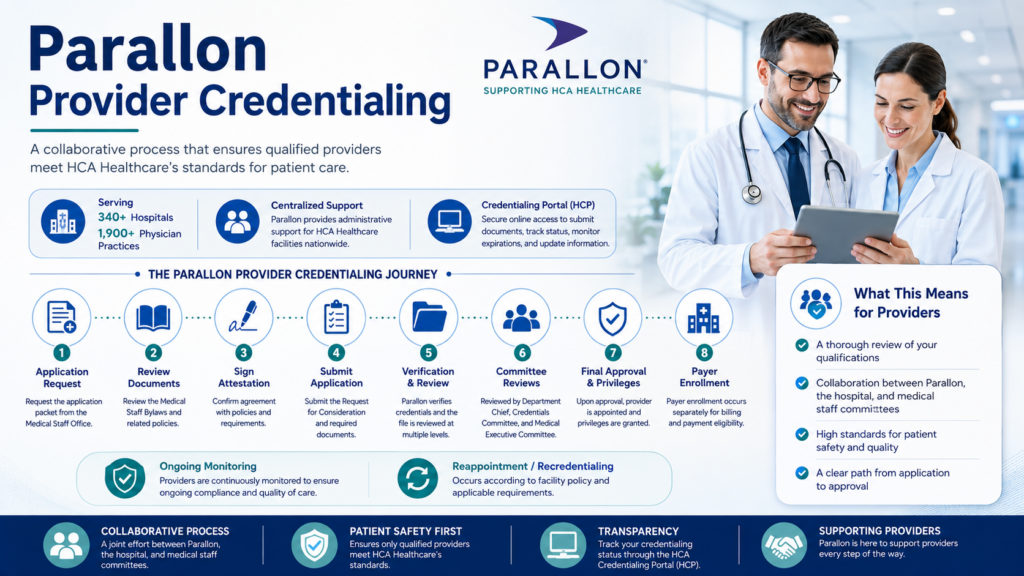
Step 4: Create or Access Your Portal Account
If you are a new user, select Create Account and follow the instructions provided through the portal.
The current Parallon credentialing registration page provides separate access options for Practitioner and Delegate users.
A provider may also assign a delegate to assist with data entry and credentialing activities where permitted.
Step 5: Complete the Provider Profile
Enter or review the provider’s demographic and professional information.
The HCA Credentialing Portal allows practitioners to update demographic information and electronically manage information associated with the credentialing process.
Make sure the provider’s name, contact information, practice information, specialty, affiliations, and other details are accurate.
Step 6: Complete the Credentialing Packet
Complete the applicable credentialing packet through the portal.
Depending on the provider and facility, the packet may contain requirements relating to:
- Licenses and certifications
- Education and training
- Specialties and boards
- Affiliations and work history
- References
- Insurance
- Questions and forms
- Other supporting documentation
The HCA Credentialing Portal provides dedicated guidance for these credentialing packet requirements.
Step 7: Upload Required Documents
Upload the documents requested as part of the credentialing packet.
Check each document for accuracy, completeness, legibility, and current expiration dates before submission.
A centralized credentialing document management workflow can help organizations maintain provider documents and reduce the risk of missing required information.
Step 8: Complete Primary Source Verification
The credentialing process includes verification of professional qualifications and supporting information.
Depending on the requirements, verification may involve licenses, certifications, education and training, affiliations, references, work history, and other professional credentials.
Providers can help reduce delays by ensuring the information supplied for verification is complete and consistent.
Step 9: Monitor Outstanding Credentialing Items
After submitting information, continue monitoring the HCA Credentialing Portal.
The portal includes Credentialing Status, Outstanding Items, Expiring Items, and facility-related information.
Outstanding items should be addressed promptly because incomplete requirements can prevent the credentialing process from moving forward.
Step 10: Respond to Additional Requests
The credentialing team may request clarification, updated documentation, or additional information during the review process.
Responding quickly can help prevent unnecessary delays.
Providers should also check for expiring credentials and update documentation when required rather than waiting until the end of the credentialing process.
Step 11: Complete Credentialing Review and Applicable Enrollment
Once the required information has been submitted and verified, the credentialing file proceeds through the applicable review process.
Parallon supports credentialing operations as part of its administrative services for HCA Healthcare.
If separate payer or government enrollment is required, that process should also be completed. For Medicare, CMS uses PECOS for online enrollment applications and supporting documentation.
Organizations can use provider enrollment and credentialing services to coordinate these related administrative workflows.
Step 12: Confirm Credentialing Status and Provider Activation
After completing the applicable requirements, confirm the provider’s credentialing status with the responsible facility or credentialing team.
The HCA Credentialing Portal allows practitioners to view credentialing status and monitor outstanding and expiring items.
Providers should continue monitoring their credentialing records after approval because credentialing is an ongoing process rather than a one-time submission.
How Long Does Parallon Provider Credentialing Take?
There is no single processing timeline that applies to every Parallon provider credentialing application. The timeline can depend on the facility, provider type, specialty, completeness of the application, primary source verification, and whether additional information is required.
HCA facility guidance illustrates why credentialing can take time: the process may involve the Parallon Credentialing Processing Center, the hospital, and medical staff committees, along with verification of professional qualifications.
Incomplete applications, missing documents, expired credentials, delayed references, or discrepancies in provider information can extend the process. Providers can help keep applications moving by completing their packets accurately and responding quickly to outstanding items.
Because credentialing requirements can differ among HCA Healthcare facilities, providers should confirm the expected timeline with the applicable medical staff office or credentialing team rather than relying on a universal processing estimate.
Parallon Provider Credentialing Services
Parallon provides physician credentialing as part of its clinical and administrative services for HCA Healthcare. Its services support healthcare operations across the HCA Healthcare enterprise.
For organizations managing multiple providers, credentialing also involves maintaining provider data, documents, expirations, application status, and related enrollment requirements.
Using healthcare credentialing services can help organizations centralize these activities and reduce repetitive administrative work.
How MantraComply Can Help With Parallon Credentialing
Managing Parallon provider credentialing and enrollment manually can require extensive coordination between providers, credentialing teams, facilities, and payers. MantraComply’s credentialing and enrollment platform brings these workflows into one centralized system.
- Provider Data Management: Keep provider information organized and accessible.
- Document Management: Centralize licenses, certifications, insurance, and other credentialing documents.
- Application Preparation: Organize information required for credentialing and enrollment applications.
- Application Tracking: Monitor application progress and outstanding requirements.
- Expiration Monitoring: Track expiring credentials and support timely renewals.
- Enrollment Management: Coordinate payer and government enrollment alongside credentialing.
MantraComply also offers AI-powered credentialing and enrollment automation with application preparation, provider document management, real-time tracking, licensing support, and enrollment workflows.
Conclusion
Parallon provider credentialing involves multiple stages, from identifying the appropriate HCA Healthcare facility and completing the credentialing packet to document submission, verification, review, and final status confirmation.
The HCA Credentialing Portal gives practitioners visibility into their credentialing status, outstanding items, expiring credentials, and other information throughout the process.
For organizations managing multiple providers, a centralized credentialing and enrollment platform can simplify provider data, documentation, application tracking, expiration monitoring, and enrollment workflows in one place.
Frequently Asked Questions
No. Parallon is HCA Healthcare’s internal administrative support platform, managing credentialing and provider enrollment for HCA-affiliated hospitals and physician practices. It is not an insurance company that a provider applies to join directly, though its provider enrollment team does help enroll providers with the payers those facilities work with.
Credentialing verifies a provider’s qualifications and leads to hospital privileges through the Parallon Credentialing Processing Center. Provider enrollment is a separate process for establishing a provider’s participation with applicable Medicare, Medicaid, or commercial payers and supporting the administrative requirements needed for billing and payment.
The practitioner seeking medical staff membership generally completes the required application and submits it according to the facility’s credentialing instructions. Depending on the facility, the process may use the HCA Healthcare Credentialing Portal, and additional documents or fees may be required.
The timing of reappointment or recredentialing is determined by the applicable facility’s Medical Staff Bylaws, credentials policies, and regulatory requirements. Providers should respond promptly to renewal or reappointment requests to help maintain their active medical staff status.
Missing information or documentation may result in a request for additional information or clarification and can delay the review. Applicants should follow the facility’s instructions carefully, keep records of submitted materials, and respond promptly to credentialing requests.