Becoming a participating provider with Kaiser Permanente requires healthcare professionals and organisations to meet applicable credentialing and enrollment requirements. Providers must submit accurate documentation, verify professional licences and qualifications, complete relevant CAQH requirements, and undergo credentialing review. The process may vary depending on the provider’s specialty, location, and type of practice. Understanding eligibility criteria, preparing the required documents, and following application procedures can help reduce administrative delays. This guide covers Kaiser Permanente’s provider credentialing and enrollment process, including eligibility, documentation, application steps, processing timelines, and how professional credentialing support can simplify provider onboarding.
What Is Kaiser Permanente Provider Credentialing?
Kaiser Permanente provider credentialing is a structured review process used to verify healthcare professionals’ professional qualifications and credentials before network participation. Depending on the applicable requirements, this may include reviewing licences, education, clinical training, work history and other supporting information. The process helps Kaiser Permanente assess whether practitioners meet the relevant professional and credentialing standards.
For healthcare professionals and organisations, credentialing is one stage of the broader provider onboarding process. Applicants may need to complete the required forms, maintain accurate CAQH information where applicable, submit supporting documentation, and respond to verification requests. Because procedures can differ across Kaiser Permanente regions and provider categories, understanding the relevant requirements can help applicants organise their records and navigate credentialing and enrollment more effectively.
Kaiser Permanente Provider Credentialing vs. Kaiser Provider Enrollment
Credentialing and enrollment are closely related but serve different purposes within the healthcare payer process.
| Kaiser Permanente Provider Credentialing | Kaiser Provider Enrollment |
|---|---|
| Verifies the provider’s professional qualifications and eligibility. | Supports administrative registration and participation with the relevant payer or program. |
| Reviews licenses, education, training, work history, and professional credentials. | May involve tax information, billing details, practice locations, and payer records. |
| Determines whether the provider meets applicable credentialing requirements. | Helps establish or maintain the provider’s administrative and billing relationship. |
| May include initial credentialing and recredentialing. | May include enrollment applications, updates, revalidation, and payer setup. |
The specific process depends on the Kaiser Permanente region and the type of participation requested. For instance, Medicare enrollment may require the CMS Provider Enrollment, Chain, and Ownership System (PECOS ), while Kaiser Permanente network credentialing follows the requirements of the applicable regional entity.
Providers should confirm whether they need credentialing, contracting, Medicare or Medicaid enrollment, or a combination of these processes.
Who Is Eligible for Kaiser Permanente Provider Credentialing?
Eligibility depends on the provider’s specialty, licensing status, practice location, organizational structure, and the requirements of the applicable Kaiser Permanente region.
The credentialing process may apply to:
- Physicians, including MDs and DOs
- Nurse practitioners
- Physician assistants
- Behavioral health professionals
- Allied health professionals
- Ancillary providers
- Medical groups
- Hospitals and healthcare facilities
- Other eligible organizational providers
Kaiser Permanente may require separate applications and supporting documentation for individual practitioners, ancillary providers, and organizational applicants. For example, the Kaiser Permanente Mid-Atlantic provider application includes information relating to professional qualifications, liability insurance, applicable lines of business, and CAQH data.
Before applying, providers should verify their eligibility, service area, specialty requirements, and network participation options with the relevant Kaiser Permanente regional office.
Basic Requirements for Kaiser Permanente Provider Credentialing
Before beginning the Kaiser Permanente provider credentialing process, providers should review the requirements for their specialty and region.
1. Current Professional License – Providers should hold an active license or certification authorizing them to practice in the applicable state or jurisdiction.
2. Education and Clinical Training – Applicants must meet the education, residency, fellowship, and training requirements associated with their professional specialty.
3. Board Certification, Where Applicable – Board certification or another recognized specialty certification may be required or reviewed depending on the provider’s qualifications and specialty.
4. Professional Liability Insurance – Providers must maintain the professional liability coverage required by the applicable Kaiser Permanente entity. Requirements may differ for individual practitioners and organizational providers.
5. CAQH Profile, Where Applicable – Providers using CAQH ProView should ensure that their profile is complete, accurate, and properly attested. Kaiser Permanente Georgia states that CAQH applications and attestations must be renewed every 120 days.
6. Accurate Provider Information: The provider’s name, NPI, specialty, practice locations, affiliations, tax information, and contact details should be consistent across all submitted documents.
Using MantraComply’s credentialing services can help healthcare organizations manage provider records and monitor recurring credentialing activities.
Documents Required for Kaiser Permanente Provider Credentialing
The required documents vary according to the Kaiser Permanente region, provider specialty, and application type. The following are some of the most important documents commonly requested or reviewed.
| Document | Why It Matters |
|---|---|
| Completed credentialing application | Provides the information required to assess the provider’s qualifications and eligibility. |
| Current professional license | Confirms that the provider is legally authorized to practice. |
| CAQH profile and attestation, where applicable | Supports credentialing verification and helps ensure provider information is current. |
| Board certification documentation, where applicable | Verifies specialty qualifications and professional credentials. |
| Professional liability insurance certificate | Confirms that the provider maintains the required malpractice coverage. |
| Current CV or résumé | Helps verify education, training, employment history, and professional experience. |
| NPI information | Identifies the provider or organization for healthcare transactions and payer administration. |
| Accreditation or state survey documentation, where applicable | Helps demonstrate that eligible facilities and organizations meet applicable standards. |
| W-9 form, where applicable | Supports tax identification and organizational or billing information requirements. |
Kaiser Permanente Northern California’s credentialing guidance also refers to licenses, certificates, work experience, education and training, professional references, and current and prior professional liability coverage.
Providers should always confirm the current document checklist with the applicable Kaiser Permanente regional credentialing department.
Step-by-Step Kaiser Permanente Provider Credentialing Process
The Kaiser Permanente provider credentialing process involves identifying the correct region, preparing the relevant application, submitting supporting documentation, completing verification, and maintaining credentialing status.
Following the process carefully can help providers reduce missing information and manage payer participation more efficiently.
Step 1: Identify the Appropriate Kaiser Permanente Region
Begin by identifying the Kaiser Permanente region and health plan with which you want to participate.
Kaiser Permanente operates through regional entities, and each region may have different application forms, provider portals, submission instructions, and credentialing requirements.
Confirm the following information:
- State and service area
- Kaiser Permanente health plan
- Provider specialty
- Individual or organizational provider status
- Applicable network or line of business
- Contracting and enrollment requirements
Do not assume that an application used in one region will automatically be accepted by another Kaiser Permanente entity.
Step 2: Confirm Provider Eligibility
Review the eligibility requirements for your provider category and specialty.
Confirm that your professional license, education, training, liability insurance, and practice location meet the applicable requirements. Organizational providers may also need accreditation, facility licensing, or survey documentation.
Certain facilities may be subject to additional site review requirements when accreditation or an applicable state or Medicare survey is not available.
Step 3: Locate the Correct Kaiser Permanente Provider Application
Find the appropriate application through the applicable Kaiser Permanente regional provider website or credentialing department.
Depending on your provider type, you may need to complete:
- Practitioner credentialing application
- Ancillary provider application
- Organizational provider application
- Facility application
- Participation or contracting application
Review the instructions carefully and use the current application version. An incomplete or incorrect application may lead to additional requests and processing delays.
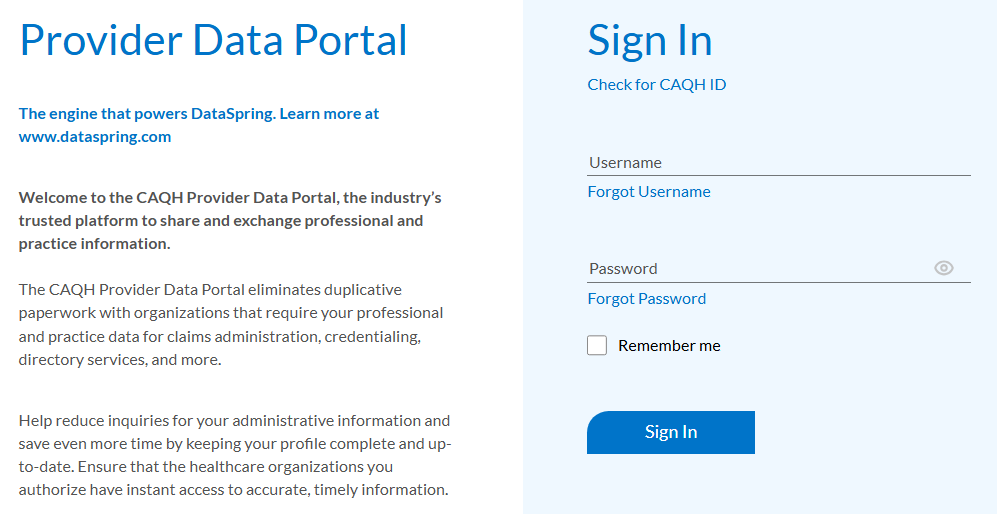
Step 4: Create or Update Your CAQH Profile
If your Kaiser Permanente region uses CAQH ProView, create or update your profile before submitting your credentialing information.
Review the following details:
- Provider name and contact information
- Education and professional training
- Work history
- Professional licenses
- Board certifications
- Malpractice history
- Practice locations
- Hospital affiliations
- DEA registration, where applicable
Complete the required attestation and authorize Kaiser Permanente to access your information when instructed.
Kaiser Permanente’s Mid-Atlantic onboarding guidance explains that providers must complete the CAQH application, authorize access, attest to the information, and submit supporting documentation.
Step 5: Collect and Validate Supporting Documents
Gather the documents required for your provider category and regional application.
Before submission, verify that:
- Licenses are current
- Insurance certificates are valid
- The CV contains complete work history
- Practice addresses are accurate
- NPI information is correct
- CAQH details match the application
- Required signatures and attestations are complete
- Facility documentation is current, where applicable
A centralized credentialing and enrollment workflow can help teams track missing documents and maintain consistent provider records.
Step 6: Submit the Application
Submit the completed application through the method specified by the applicable Kaiser Permanente region.
Submission methods may include:
- Online credentialing portals
- CAQH ProView
- Postal mail
- Regional credentialing departments
For example, Kaiser Permanente Northern California uses an online credentialing application process and provides separate instructions for submitting supporting documents.
Maintain copies of the submitted application, supporting documents, confirmation messages, and correspondence for future reference.
Step 7: Complete Primary Source Verification
During credentialing, Kaiser Permanente verifies relevant information using appropriate sources.
The review may include:
- Professional license verification
- Education and training verification
- Board certification review
- Work history verification
- Malpractice history review
- Professional references
- Hospital affiliation checks
- Medicare or Medicaid status, where applicable
Kaiser Permanente Georgia states that credentialing decisions are based on the completed application and attestation, primary source verification, and relevant professional and quality information.
Step 8: Respond to Additional Information Requests
The credentialing team may request clarification or additional documentation if information is incomplete, expired, or inconsistent.
Common issues may include:
- Missing work history
- Unexplained employment gaps
- Expired professional licenses
- Inconsistent practice addresses
- Incomplete CAQH information
- Missing insurance documentation
- Incomplete signatures or attestations
Respond promptly and provide the requested information in the format specified by the credentialing department.
Step 9: Complete Any Required Site Review
Certain organizational and facility providers may need to complete a site visit, medical record review, or other quality-related assessment.
The requirements depend on the provider category and regional policies. Providers should prepare the relevant facility documents and cooperate with any scheduled review.
Site review requirements should be confirmed with the applicable Kaiser Permanente credentialing department rather than assumed to apply to every provider.
Step 10: Complete Credentialing Review
Once the application and verification activities are complete, the application is reviewed according to the applicable Kaiser Permanente policies and procedures.
Possible outcomes may include:
- Approval
- Request for additional information
- Deferral pending further review
- Non-approval
- Additional requirements before participation
Kaiser Permanente Georgia states that practitioners have the right to be informed of application status, review information used in credentialing decisions, and correct inaccurate information.
Step 11: Complete Contracting and Enrollment Requirements
Credentialing approval may not automatically complete contracting or payer enrollment.
Depending on the provider and region, additional steps may include:
- Signing a participation agreement
- Completing payer enrollment
- Providing tax and billing information
- Confirming practice locations
- Completing Medicare or Medicaid enrollment
- Finalizing effective dates
- Completing payer system setup
Providers should confirm their effective participation date before beginning services under the relevant network arrangement.
Step 12: Maintain Credentialing and Provider Information
After approval, providers must maintain accurate information and complete recredentialing requirements when requested.
Ongoing responsibilities may include:
- Renewing professional licenses
- Updating CAQH information
- Maintaining liability insurance
- Reporting practice location changes
- Updating provider affiliations
- Reviewing demographic information
- Completing recredentialing applications
- Responding to payer requests
Kaiser Permanente Northern California states that recredentialing may occur at least every 36 months, while specific requirements can vary by program and provider category.
How Long Does Kaiser Permanente Provider Credentialing Take?
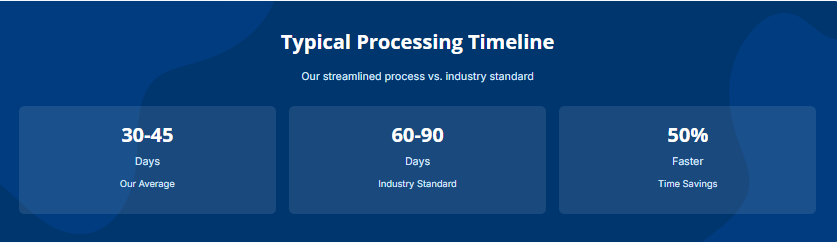
The time required for Kaiser Permanente provider credentialing varies by region, specialty, application type, and documentation completeness. Northern California, for example, indicates that credentialing and privileging may take approximately 10–12 weeks, although delays can extend this timeframe.
Providers should submit complete applications well before their planned start date. Missing documents, delayed verifications, and incomplete CAQH profiles can slow the process. Maintaining an application tracker for submissions, outstanding requests, and approval status can help healthcare organisations manage credentialing more efficiently.
Kaiser Permanente Provider Credentialing Services
Managing Kaiser Permanente credentialing may involve several administrative activities, including:
- Provider application preparation
- CAQH profile management
- Document collection and verification
- License and insurance monitoring
- Payer communication
- Provider enrollment coordination
- Recredentialing tracking
- Demographic information updates
These responsibilities can become more complex for medical groups and healthcare organizations managing multiple providers across locations.
A centralized credentialing solution can help teams organize provider records, monitor outstanding requirements, and improve visibility into the payer participation process.
How MantraComply Can Help With Kaiser Credentialing
MantraComply supports healthcare organizations with credentialing and payer enrollment workflows through a centralized platform.
MantraComply can support Kaiser Permanente credentialing activities through:
- Provider documentation management: Organize applications, licenses, certifications, and supporting records.
- Application tracking: Monitor submissions, outstanding requirements, and payer follow-ups.
- Credential expiration monitoring: Track renewal dates for licenses, certifications, and insurance.
- Provider group management: Coordinate credentialing tasks across multiple providers and locations.
- Enrollment workflow support: Manage related payer enrollment activities through a structured process.
- Administrative efficiency: Reduce repetitive tracking work and improve visibility into credentialing operations.
Conclusion
The Kaiser Permanente provider credentialing process involves verifying professional qualifications, preparing the appropriate regional application, submitting supporting documents, completing credentialing review, and maintaining ongoing compliance.
Because Kaiser Permanente operates through regional entities, requirements and processing timelines may differ according to the provider’s location, specialty, and organizational category. Providers should confirm the current instructions with the relevant regional credentialing department before submitting an application.
With accurate documentation and a structured credentialing workflow, healthcare organizations can improve application management, monitor important deadlines, and support ongoing payer participation.
Frequently Asked Questions
CAQH ProView is used in some Kaiser Permanente regions, but requirements vary by region and provider type. Providers should confirm whether their applicable region requires or accepts CAQH and whether a separate regional application is required.
Employed providers work for Kaiser, contracted providers have formal agreements, affiliated providers have established associations, and community providers are external practitioners.
No. Kaiser Permanente operates across several states and regions, including Northern and Southern California, Colorado, Georgia, Hawaii, Maryland, Virginia, Washington, D.C., Oregon, and Washington, and each region can have its own application process and requirements. Confirming the correct regional process before applying prevents unnecessary delays.
Kaiser sends written notification of approval, and the contracting process begins from there. For community-provider arrangements, providers should confirm when their participation becomes active and when they can begin accepting referrals under the applicable regional requirements.
If you do not receive written notification within a reasonable window, you have the right to request a status update directly from your regional Kaiser office. If an expected update does not arrive, contacting the appropriate regional credentialing office can help clarify the status of the application and any outstanding requirements.
View Sources
- MantraComply. Kaiser Permanente Provider Credentialing: Application Guide. Accessed 20/10/2026.
- Kaiser Permanente Northern California. Regional Credentialing. Accessed 20/10/2026.
- Kaiser Permanente Northern California. Credentialing Application: Next Steps. Accessed 20/10/2026.
- Kaiser Permanente Northern California. Credentialing Frequently Asked Questions. Accessed 20/10/2026.