Is completing an Optum application enough to get credentialed? Not quite. Providers may also need to verify their professional credentials, maintain an accurate, up-to-date CAQH profile, submit required supporting documents, and meet applicable Optum behavioral health credentialing network requirements. The process can involve reviewing licenses, education, training, work history, malpractice coverage, and other provider information. Missing documents, expired credentials, or inconsistent information can lead to additional follow-up and delays. Understanding each step beforehand can make the process easier to manage. This guide explains the Optum credentialing process, requirements, documents, enrollment steps, and timelines.
What Is Optum Provider Credentialing?
Optum healthcare provider credentialing is the process of reviewing and verifying whether a healthcare professional meets the applicable qualifications for participation in an Optum-managed network. Depending on the provider type, specialty, state, and network, the process can involve reviewing professional licensure, education, training, work history, malpractice coverage, certifications, and other relevant qualifications.
The process may also involve verification of specific provider information through appropriate sources. This helps confirm that the professional information submitted during the application process is accurate, complete, and consistent with the applicable participation requirements.
For providers, credentialing is an important part of joining a network. However, credentialing and enrollment are not the same process. Understanding the difference can make it easier to track an application, prepare the correct documents, and identify which requirements still need to be completed before participation becomes active.
Optum Provider Credentialing vs. Optum Provider Enrollment
Credentialing and enrollment are often discussed together because both can be necessary before a provider becomes active within a healthcare network. However, each process serves a different purpose and can involve different documentation, reviews, and administrative activities.
| Optum Provider Credentialing | Optum Provider Enrollment |
|---|---|
| Verifies the provider’s professional qualifications and credentials. | Establishes the provider’s participation in the applicable Optum network. |
| Reviews licenses, education, training, work history, certifications, and malpractice coverage. | Handles administrative and billing-related provider information required for network participation. |
| Includes primary source verification of applicable credentials. | Supports provider setup using information such as NPI, TIN, and practice details. |
| Focuses on whether the provider meets credentialing standards. | Focuses on completing administrative requirements for network participation and claims processing. |
They focus on whether a provider meets the applicable professional and credentialing standards. Depending on the participation pathway, this may involve reviewing provider information, confirming credentials, and completing the required credentialing review.
Optum provider enrollment focuses more broadly on the administrative requirements associated with participation. Agreements, practice information, tax details, and other enrollment activities may need to be completed before a provider’s participation becomes active.
What are the eligibility criteria for Optum Provider Credentialing?
Eligibility for participation can vary based on a provider’s professional discipline, specialty, state, geographic location, and the needs of the applicable Optum network. Providers should therefore confirm the appropriate participation pathway before spending significant time preparing a complete Optum provider application.
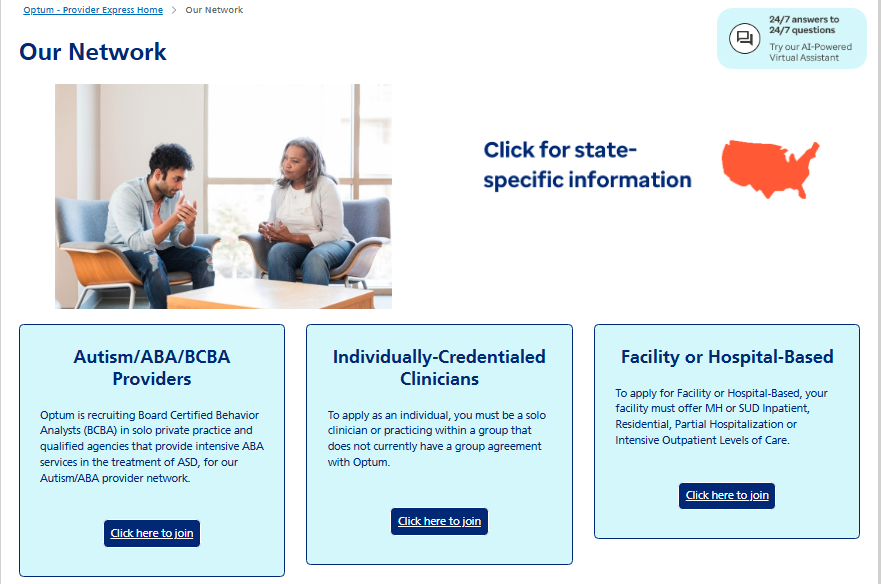
Optum provides different participation pathways for individual clinicians, group and practice providers, agencies, facilities, and certain specialty networks. Providers can review Optum network participation pathways to better understand the type of participation option that may apply to their practice.
Depending on the applicable network and provider category, eligible healthcare professionals may include:
- Physicians and other medical practitioners.
- Nurse practitioners and physician assistants.
- Licensed behavioral health professionals.
- Therapists and counselors.
- Other independently licensed clinicians.
- Individual providers joining an existing group.
- Group practices and organizational providers where applicable.
Before beginning the process, providers should generally be prepared to meet applicable professional and administrative requirements, which may include:
- A current and valid professional license appropriate to the provider’s role and state of practice.
- Education, training, or experience relevant to the provider’s specialty.
- Current professional liability or malpractice coverage where applicable.
- A complete professional and work history.
- Explanations for applicable gaps in employment history.
- Required professional certifications or registrations.
- A complete and current CAQH profile where required.
- Availability of network participation opportunities in the provider’s specialty and geographic area.
Meeting the basic professional requirements does not automatically guarantee participation. Optum network enrollment can also depend on network availability and the requirements applicable to a provider’s specific specialty, state, and participation pathway.
Providers can review Optum state participation and CAQH requirements before beginning the application process to understand the requirements that may apply to their location and provider category.
Documents Required for an Optum Provider Application
Preparing documentation before beginning the application process can significantly reduce administrative delays. Providers should avoid waiting until a document is requested because obtaining updated records, correcting inconsistencies, or replacing expired documents can extend the overall credentialing timeline.
The exact documents required can vary based on provider type, specialty, state, and network requirements. Not every provider will be asked to submit the same information, so it is important to review the requirements applicable to the specific participation pathway.
Common information and documents may include:
- Current professional license information.
- CAQH ProView profile and CAQH identification number where applicable.
- Curriculum vitae or professional resume.
- Complete professional and work history.
- Professional liability or malpractice insurance information.
- NPI and applicable taxonomy information.
- DEA registration where applicable.
- Education and training history.
- Board certifications or other professional credentials.
- Practice location information.
- Tax identification information.
- Hospital affiliation or privilege information where applicable.
- Signed agreements, disclosure documents, or other requested forms.
| Document Checklist | Why It Matters |
|---|---|
| Completed Provider Application | Provides the information needed to begin the provider credentialing and application review process. |
| Signed and Dated Attestation | Confirms that the information submitted by the provider is accurate and current. |
| Current Professional License | Verifies that the provider is authorized to practice in the applicable state. |
| DEA Certificate, if Applicable | Confirms authorization to prescribe controlled substances when required for the provider’s practice. |
| Controlled Dangerous Substance (CDS) Certificate, if Applicable | Supports verification of applicable controlled-substance prescribing authority. |
| Malpractice Insurance Certificate | Confirms professional liability coverage, including applicable expiration dates and coverage limits. |
| Five-Year Work History | Documents the provider’s professional experience and helps explain applicable employment gaps. |
| Education and Training Records | Supports verification of the provider’s education, residency, fellowship, and professional training. |
| Specialty Certification, if Applicable | Supports verification of specialty qualifications where applicable. |
| Adverse Information Explanations, if Applicable | Provides clarification for disclosed adverse information during the credentialing review. |
Providers should review every record before submission. Incomplete CAQH information, inconsistent practice details, incorrect documents, and incomplete tax information can all result in additional clarification requests.
A simple document checklist can help providers identify missing or expired records before submitting an Optum provider application. This is particularly useful for group practices managing multiple clinicians with different licenses, coverage periods, and credentialing requirements.
PROVIDER ENROLLMENT SUPPORT
Start Your Provider Enrollment Today
Get support with provider enrollment, documentation, application coordination, and payer participation requirements.
Start EnrollmentStep-by-Step Optum Provider Credentialing Process
The exact sequence can vary based on provider type and participation pathway. However, providers generally move through a process involving preparation, application submission, document review, credential verification, contracting, and administrative enrollment before active participation is confirmed.
Step 1: Confirm Network Participation Requirements
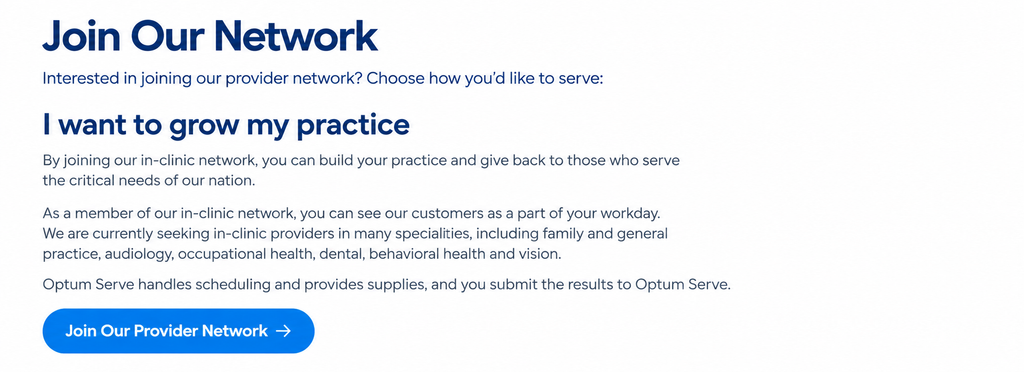
Before completing a full Optum provider application, providers should determine whether there is an appropriate participation opportunity for their specialty and geographic location. Network availability can depend on local access needs, provider availability, specialty demand, and other participation requirements.
Confirming the participation pathway early can prevent unnecessary administrative work. It also provides a clearer understanding of the documents, professional information, and enrollment requirements that may apply to the provider’s Optum network enrollment.
Step 2: Prepare Your CAQH Profile
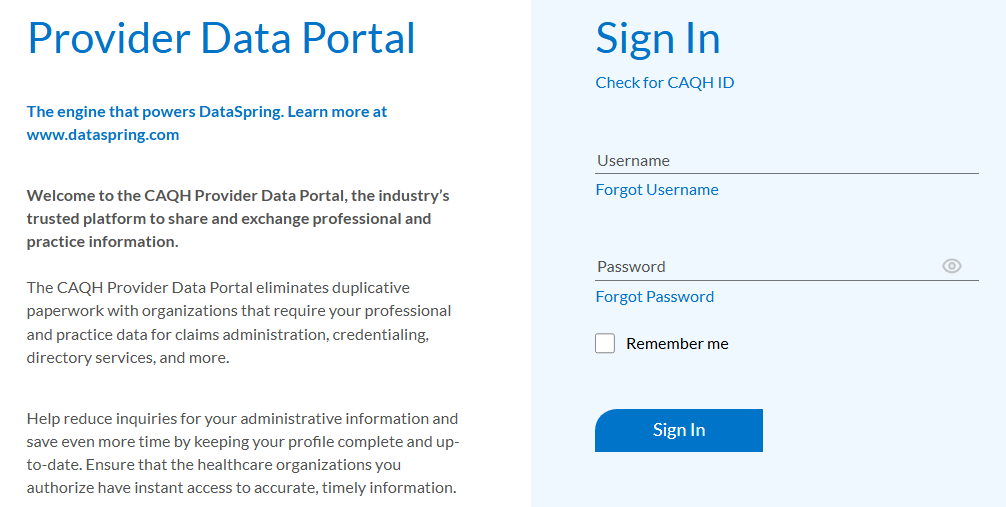
CAQH is an important part of the credentialing process for many providers. Depending on the state and participation pathway, providers may need to maintain a complete and current CAQH profile as part of their credentialing requirements.
Providers should review their profile carefully before beginning the application process. Professional licenses, work history, practice information, credentialing contact details, malpractice coverage, and other relevant information should be current and consistent.
Providers should also ensure that the appropriate organization has the required authorization to access CAQH information where applicable. Missing authorization, incomplete profiles, or information that does not match the provider’s application can create avoidable delays.
Step 3: Complete the Optum Provider Application
The next stage involves completing the appropriate Optum provider application or network participation request. Providers should enter professional and practice information carefully and ensure that relevant details match information maintained in CAQH and supporting documentation.
Depending on the participation pathway, providers may need to provide professional identification, licensing information, practice locations, specialty details, NPI information, tax information, and other relevant records.
Providers can access the appropriate participation request process through the Optum provider application portal. Before submitting the application, they should carefully review dates, addresses, practice locations, license information, and credentialing contacts.
Step 4: Submit Required Supporting Documents
Providers should submit the documentation required for their specific credentialing pathway. Before sending documents, it is important to confirm that every file is current, complete, readable, and consistent with the information provided in the application.
Common issues include attaching the wrong document, providing expired professional liability information, submitting incomplete tax documentation, or failing to return requested forms. Creating a document checklist before submission can make this stage easier and reduce the risk of follow-up requests.
Practices should also retain copies of submitted documents. Maintaining an organized credentialing file can help when responding to future requests, updating provider information, or preparing for recredentialing.
Step 5: Preliminary Application Review and Credential Verification
After the application and required documentation are received, the file may undergo an initial review. Providers may be asked to provide additional information if the application is incomplete or if supporting documents require clarification.
The credentialing process can also involve verification of specific provider qualifications. Certain credentials may need to be confirmed through authorized or primary sources before the credentialing review can move forward.
Verification timelines can vary because some information must be confirmed through external organizations. Providers cannot control every verification response, but they can reduce avoidable delays by ensuring the original application is complete and accurate.
Step 6: Credentialing Review
Once the necessary information has been collected and verification activities are completed, the provider’s file can move forward for credentialing review. The review considers the provider’s qualifications and whether the applicable credentialing standards have been met.
If information is incomplete or inconsistent, additional clarification may be requested. Providers should monitor communications closely and respond promptly because an incomplete file may remain pending until the requested information is received.
Maintaining accurate contact information is particularly important at this stage. Credentialing requests may require timely responses, and missed communications can create unnecessary delays in the overall process.
Step 7: Complete Contracting Requirements
Depending on the participation pathway, providers may need to complete contractual requirements as part of the onboarding process. Agreements and other administrative documents should be reviewed carefully before signing.
Providers should return completed documents promptly and retain copies for future reference. Delays in signing or returning required documentation can affect the overall timeline even after substantial credentialing work has been completed.
Group practices and organizations may have additional contractual requirements because participation can involve both individual provider credentialing and organizational information.
Step 8: Complete Optum Provider Enrollment
Following or alongside credentialing and contracting, providers may need to complete the applicable Optum provider enrollment requirements. These activities focus on finalizing the administrative information required for network participation and activation.
Credentialing approval does not necessarily mean that every administrative requirement has been completed. Providers should continue monitoring communications and resolving outstanding issues until active network status is confirmed.
Keeping track of credentialing and enrollment as separate but connected stages can help practices understand where an application stands and which requirements remain outstanding.
Step 9: Confirm Active Network Status
The final stage is confirmation of active participation within the applicable network. Providers should retain important communications, agreements, credentialing records, and enrollment confirmations for future administrative reference.
Credentialing responsibilities continue after activation. Providers should maintain current professional information and update relevant records when there are changes to licenses, practice locations, malpractice coverage, credentialing contacts, or other important provider details.
Maintaining accurate information after network participation begins can also support future credential maintenance and recredentialing requirements.
How Long Does Optum Provider Credentialing Process Take?
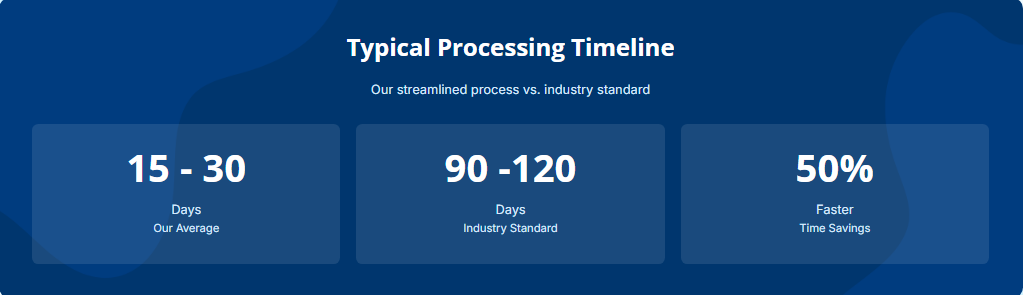
The Optum provider credentialing process can take several weeks to a few months, depending on the provider type, specialty, state, network, and completeness of the application. Some Optum Dental credentialing guidance indicates a timeline of approximately 90 days.
The timeline may also vary depending on how quickly Optum can complete primary source verification of licenses, education, training, work history, and other credentials. Applications with missing or inconsistent information may require additional follow-up.
Providers should ideally begin the credentialing process well before their planned network participation date. Keeping CAQH, licenses, certifications, and malpractice insurance information current can help prevent avoidable delays.
How Optum Credentialing Services Can Help
Managing Optum credentialing services internally can require significant administrative time, particularly for practices onboarding multiple providers. Staff may need to collect documentation, maintain CAQH information, coordinate applications, monitor credential expiration dates, respond to requests, and track several provider files simultaneously.
Structured credentialing support can help practices create a more organized workflow. This may involve reviewing documentation before submission, identifying inconsistencies, tracking outstanding requirements, and maintaining better visibility into each provider’s progress.
Professional Optum credentialing services can support activities such as:
- Credentialing document organization.
- CAQH profile management.
- Provider application coordination.
- Credential tracking.
- Document expiration monitoring.
- Recredentialing preparation.
- Provider enrollment support.
- Group provider onboarding.
- Application follow-up and status monitoring.
A structured end-to-end approach can reduce the administrative burden placed on internal staff while helping practices maintain better control over documents, applications, and deadlines.
How MantraComply Can Support Your Credentialing Process
Managing credentialing involves documentation, verification, deadlines, applications, and ongoing provider updates. MantraComply can help practices organize these requirements and manage credentialing and enrollment workflows more efficiently.
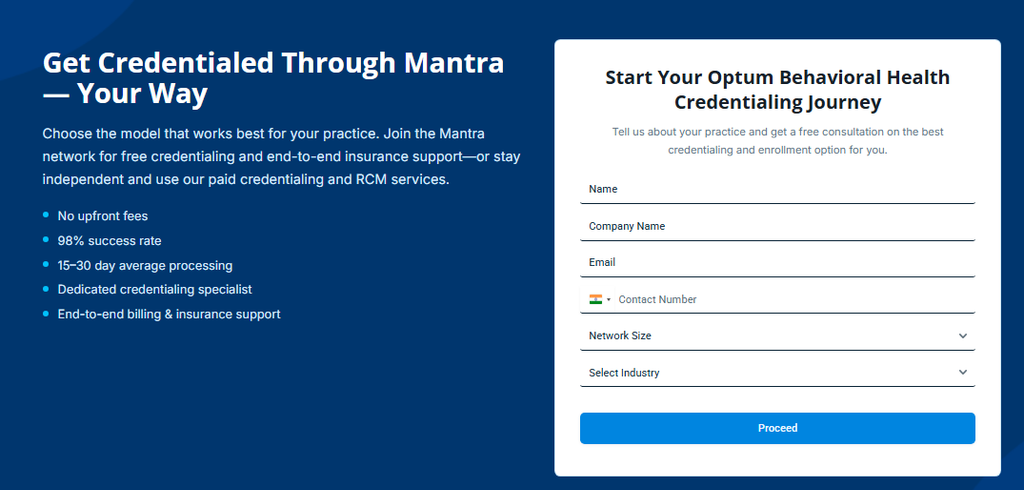
This includes:
- Document preparation and organization
- Credentialing application coordination
- Provider information management
- Application and status tracking
- Credential and document monitoring
- Deadline and renewal tracking
- Centralized provider file management
- Support for credentialing and enrollment across health plans
Explore MantraComply’s credentialing and enrollment services for additional support.
MANTRACOMPLY
Book a Free
Consultation!
Simplify provider credentialing and enrollment with expert support, organized documentation, and streamlined workflows designed to reduce administrative workload.
Get In TouchConclusion
Optum credentialing is a detailed process that involves more than submitting a single application. Providers must meet applicable eligibility requirements, prepare accurate documentation, maintain current professional information, complete credential verification, and move through the required contracting and enrollment activities before active network status is confirmed. Consistency across CAQH, the provider application, and supporting records can help reduce avoidable delays.
Providers preparing for Optum provider enrollment should organize documentation early, confirm the appropriate participation pathway, review all information carefully, and respond promptly to requests throughout the process. Treating credentialing as an ongoing administrative responsibility can also make future updates and recredentialing easier while supporting a smoother Optum network enrollment experience.
Frequently Asked Questions
Yes. Structured credentialing support can help group practices organize multiple provider files, maintain documentation, track credentials, and manage enrollment requirements.
No. CAQH ProView registration is free for providers, and there is no ongoing fee to maintain a profile. The only real cost is the time required to gather documents and keep information current through regular re-attestation every 120 days.
Every 36 months in most cases, though some states require a shorter cycle depending on local regulations. Optum typically reaches out about six months before the recredentialing due date, giving providers ample time to gather updated documents and complete the renewal.
Credentialing verifies a provider’s qualifications, including licensure, training, malpractice history, and work experience. Enrollment activates that provider’s billing status once credentialing is approved. Optum runs these two processes in parallel wherever possible, which helps applicants avoid unnecessary delays between approval and active status.
Where applicable, physicians may need active hospital privileges or an acceptable admitting arrangement, depending on specialty and Optum’s credentialing requirements. Acceptable alternatives include coverage through a participating hospitalist group or an arrangement with another admitting physician who manages inpatient care on the provider’s behalf.
View Sources
- Optum. Optum Provider Network Participation (https://public.providerexpress.com/). Accessed 10/1/2026.
- Optum. Optum Provider Application Portal (https://ocnp-pp-stg-prelogin-ui.optum.com/submit-an-inquiry?step=1). Accessed 10/1/2026.
- CAQH. CAQH Provider Data Portal (https://proview.caqh.org/). Accessed 10/1/2026.
- CAQH. CAQH Provider Quick Reference Guide (https://proview.caqh.org/content/Resources/upd_quick_reference_guide.pdf). Accessed 10/1/2026.
- MantraComply. MantraComply (https://mantracomply.com/). Accessed 10/1/2026.